Passion * Hope * Dream

小林的百科筆記

The International Monetary Fund (IMF) says it has been targeted by a sophisticated cyber attack.

Officials at the fund gave few details but said the attack earlier this year had been "a very major breach" of its systems, the New York Times reports.

Cyber security officials said the hack was designed to install software to create a "digital insider presence".

The IMF, which holds sensitive economic data about many countries, said its operations were fully functional.

The cyber attack took place over several months, and happened before former IMF chief Dominique Strauss-Kahn was arrested over sexual assault charges.

"I can confirm that we are investigating an incident," said spokesman David Hawley.

"I am not in a position to elaborate further on the extent of the cyber security incident."

The New York Times said IMF staff had been told of the intrusion on Wednesday by e-mail, but that the Fund had not made a public announcement.

The e-mail warned that "suspicious file transfers" had been detected and that an investigation had shown a desktop at the Fund had been "compromised and used to access some Fund systems".

There was "no reason to believe that any personal information was sought for fraud purposes," it said.

High profile breaches

A cyber security expert told Reuters the infiltration had been a targeted attack which installed software designed to give a nation state a "digital insider presence" at the IMF.

"The code was developed and released for this purpose," said Tom Kellerman, who has worked for the Fund.

Bloomberg quoted an unnamed security expert as saying the hackers were connected to a foreign government. However, such attacks are very difficult to trace.

The World Bank said it briefly cut its network connection with the Fund out "an abundance of caution".

"The World Bank Group, like any other large organisation, is increasingly aware of potential threats to the security of our information system and we are constantly working to improve our defences," said spokesman Rich Mills.

The incident is the latest in a string of high-profile cyber security breaches.

In April, the Sony Playstation network was shut down after hackers stole the personal data of about 100 million accounts and in May, US defence firm Lockheed Martin said it had come under a significant cyber-attack.

CIA Director Leon Panetta told the US Congress earlier this week that a large-scale cyber attack which would cripple power, finance, security and governmental systems was "a real possibility in today's world".

http://www.marketwatch.com/video/asset/rogers-only-a-crisis-can-fix-us-debt-problem-2011-06-08/7B14FAAB-F745-4ECA-ADB4-F8D5BD0A2C96?link=kiosk#!4037F460-50B5-4C32-8AAB-EAAB717DA6D9

JUNE 10, 2011
In an interview with WSJ's Simon Constable, famed investor Jim Rogers weighs in on what it will take to solve the U.S. debt crisis, why he's shorting U.S. tech companies, why the stimulus package was a bad idea, and the looming energy crisis.


問題食品全國氾濫,昨日母親節,中國母親們有個簡單而奢侈的節日願望:讓子 女可吃上無毒食品!在重慶,一名八十後母親為減少兒子吃到毒食品風險,甘願做農夫,她租下農田,親手種植有機蔬菜,雖然辛苦,但勝在新鮮無毒。類似情況, 在內地已非個案,輿論直指民眾對政府已信心盡失,改革開放卅年,反而退回農耕時代,怒問「當官的有母親沒有?」

家住重慶涪陵區的母親唐建華,育有一名七歲大的兒子,備受毒食品問題困擾,為了讓兒子嘗到安全新鮮的蔬菜,健康成長,今年三月在區內農以四千元租下一塊六十平方米的農田種菜。她無奈地說:「這幾年,食品安全問題連續不斷,染色饅頭,地溝油……一次次挑戰着我們的心理底線。」

租田種有機菜 較買有保障

唐建華租下田地種菜後,每逢周末均會趕到菜園,由播種、澆水、拔草,她都親力親為,在烈日當空下耕種,每每汗流浹背,不過家人的健康成為她繼續下去的動力。她近期在農民的指導之下,按照季節種植不同種類的蔬菜,包括了油麥菜、茄子、黃瓜、萵筍等,收穫不俗。

「萵筍摘下來洗洗就能吃,有股清香味、吃起來還略帶甜味。」唐建華表示,農田蔬菜每兩周採摘一次,每次的分量足夠他們一家人享用三日。「有些菜還帶有泥土和水,看起來沒有超市裏的蔬菜乾淨,但很新鮮,味道也特別好,最重要確保食品安全,總較外出購買有保障。」

網民表同感 齊轟政府瀆職

其實,內地近來愈來愈多民眾抱着唐女士的想法,上個月她菜田隔壁就增加了五十多戶「菜農」。除此,內地部分民眾也興起在住家露 台、天台,甚至馬路邊種菜,而各大政府機關、國企更誇張,耗費巨資包農場種菜、養殖,專供自己的飯堂。大批網民對於民眾無奈自種的情況大表同感,直言若非 政府瀆職,監管不嚴,何來大批「城市農夫」?

另一方面,全國各地昨均有各種各類的母親節活動,有小學生模擬大肚子體會懷孕之苦,有監獄組織囚犯向母親獻花活動,願天下母親暫忘充滿艱辛的現實。

雖然母愛無限偉大,但是湖北武漢大學前日對校內學生進行調查,顯示九成男生從未親口對母親說「我愛你」,大都認為「心照」就可以。

本報綜合報道


http://orientaldaily.on.cc/cnt/china_world/20110509/00178_001.html


I just got off the phone with Pierre Jananovic . . . La Banque Postale has lowered the limits on the amounts of cash customers can withdraw per week by 50%. First of all, for you Americans and Brits, the way France works its banking system – customers are limited to how much they can withdraw per week from their accts no matter what the balance. Now what has happened here is that Gold card members – who could take out 3,000 euros a week – are now limited to 1,500 a week. This was sudden, without warning, and people here in France are freaking out. Pierre tells me that its the first clear sign that liquidity in the European banking system is drying up.


(http://maxkeiser.com/2011/06/07/the-biggest-bank-in-france-has-atm-card-access-to-cash-in-half/)

敬虔加上知足的心便是大利了; 因為我們沒有帶甚麼到世上來,也不能帶甚麼去只要有衣有食,就當知足。 --提摩太前書6:6-8

Today I came across this clip, very interesting:

http://www.greggmckenzie.com/pages/IconNew/HSBC.html


A few items that I should look at when I have more spare time:

1. Climategate (sadly I overlooked this news and related stories when it happened)

2. The Secrets of The Federal Reserve written by Eustace Clarence Mullins, Jr. (March 9, 1923 – February 2, 2010)

http://goldnews.com/2011/06/02/fed-lawyer-alvarez-the-federal-reserve-does-not-own-any-gold-at-all/

Author: goldnews | Filed under: Central Bank News, Precious Metals News

Thats right. The Fed owns NO gold. Zero, zip, ziltch.


For those of you who did not watch yesterday’s monetary policy hearing in the house of representatives, you most likely missed this bombshell exchange between Federal Reserve lawyer Scott Alvarez and committee chairman Dr. Ron Paul. My jaw literally dropped when I heard the Fed’s general counsel declare that the Federal Reserve owns no gold. After 1934, Alvarez explains that the Fed handed its gold over to the Treasury in exchange for gold certificates. When pressed further, Alvarez noted that the gold certificates do not represent any interest whatsoever in the gold itself. He explained the gold certificate listings on the Fed balance sheet, not as a claim to gold, but at most a claim to dollars from the Treasury. See the quotes here (and watch the videos at the bottom of the post):


Scott Alvarez: “The Federal Reserve does not own any gold at all… we have not owned gold since 1934, um, so we have not engaged in any gold swap. Before 1934 the Federal Reserve did, we did own gold. We turned that over by law to the Treasury and received in return for that gold certificates.”


Ron Paul: “…You have the securities for essentially all the gold?”


Scott Alvarez: “No. No we have no interest in the gold that is owned by the Treasury. We have simply an accounting document that is called gold certificates that represents the value at a statutory rate that we gave to the Treasury in 1934″


This issue is even more complicated than may appear and after doing some research we seem to have settled some of the quirks in this odd Treasury-Fed scheme. Bare with us when reading through this.


What appears to have happened under the Gold Reserve Act of 1934 is the Treasury seized the Fed’s gold, taking full ownership and claim to its proceeds. The Treasury as an aside transferred a sum of special 1934 series gold certificates to the Fed amounting to the statutory value of gold ($20.67 per ounce) times the quantity of gold transfered from the Fed to the Treasury. The official gold price was later revalued to $35 an ounce, an effective devaluation of the currency, but the quantity of gold certificates issued to the Fed was not amended to reflect revaluation until the passing of the Par Value Modification Act of 1972. Under this act, gold was revalued again, this time to $38 an oz, and the Fed’s gold certificate account was credited upwards by $822 million worth of certificates to reflect the change in the gold price from $35 to $38. The gold was revalued one last time in 1973 to $42.22 and again the Federal Reserve was credited with more gold certificates, $1.157 billion to be exact, to account for this. After everything, the Federal Reserve was left with $11.16 billion dollars worth of gold certificates.


So what exactly are the gold certificates the Fed holds? For one, the Fed’s gold certificates are unlike previous gold certificate issues, and are not publicly trade-able. They are also not direct claims to gold, but rather reflect claims only to US issued currency or coin held by the Treasury. The Fed can take claim to this currency on demand, and their certificates are an accounted for liability of the Treasury as listed in Note 19. Treasury’s “Other Liabilities”. In addition, if the Treasury is unable to satisfy a demand by the Fed for the funds, the Fed is able to gain access to the gold, since the gold stands as collateral for the gold certificates issued by the Treasury. This fact is taken from this statement in Note 2, from the Treasury’s balance sheet:


“Gold totaling $11.1 billion as of September 30, 2010, and 2009, was pledged as collateral for gold certificates issued and authorized to the FRBs by the Secretary of the Treasury.


Given that the Fed has an indirect claim to the Treasury’s gold, it is questionable what line of reasoning the Fed’s general counsel was using when stating so broadly that the Fed has “no interest in the gold that is owned by the treasury”.


In any case, we can analyze the implications of the basic facts and come to a couple of conclusions:


1) The widespread notion that the Fed owns gold is false. The corollary to this is the mistaken belief that the Fed understates its gold holdings on its balance sheet by only reporting certificates based on the $42.22 statutory gold value. The Fed does not in fact own the US gold stock multiplied by the market price of gold, unless the Treasury defaults and even then its not clear. The Fed does, however, own a claim to currency totaling $11.1 billion and this value has a remote chance of going up significantly if the Treasury revalues its gold and maintains the practice initiated in the Par Value Modification Act.


2) The fact that the Fed owns no gold, nor claims to any gold, means the fundamental value of the dollar lacks any backing besides dollars themselves, not including Fed building and equipment. Dollars are in essence worth a lot less than many people thought, and the Fed is much more impotent in using the prowess of their assets, and conducting monetary policy in general, than many believed. In all, Alvarez’s clarification strengthens the case for gold’s high dollar value immensely.

“We’re moving nearer and nearer to the edge of the hurricane. I can feel it in my bones. Every newspaper now carries an ad for gold. The ironic clincher was this ad below that I clipped from a weekly newspaper.


“Is there a gold bubble? Are you kidding me? Here’s an ad that somebody paid for suggesting that people should turn in their gold (!!) for Federal Reserve Notes. They’re not telling you to buy gold during one of the greatest bull markets in history – hardly, they’re asking you to throw parties in which the object is to get ignorant people to SELL their gold.

“I can feel them caressing my face – the early breezes. They are blowing gently and hinting of the forthcoming gold hurricane that will sweep across the US and the planet with all the force and power that was seen when gold was first discovered at Sutter’s Creek during the California gold rush of 1849. The gold rush of the 2000s is in the wings. The old phrase is ringing in my ears again (I haven’t heard it since the late ’70s): ‘There’s no fever like gold fever’.


“If the temperature of full gold fever is a hot 106, we’re only at 99 now, but I can feel it, I can tell you that the temperature is rising, rising.


“The panic to buy gold will override everything else. It will be one of the greatest financial phenomena that most of today’s investors will ever see. It will blot out everything else like a cloud blotting out the sun.


“After the calm, comes the storm. We’ve been watching ten years of gold climbing amid an atmosphere of calm. The great gold tsunami lies ahead. It will be historic.


“… BEFORE the great gold tsunami we might have a frightening gold correction that would clean out all the gold sceptics. This ‘clean out’ may be necessary prior to the big gold tsunami, and it’s a reason to hold some cash and not put ALL your money into gold at this time. Remember the old adage – ‘The market always does what it’s supposed to — BUT NEVER WHEN’.”


Source: Dow Theory Letters, April 21, 2011.

來自 證券說 (http://ckfstock.blogspot.com/2011/05/2000_31.htmlc)


貨幣的歷史中清楚告訴我們,這世界上沒有一個無商品支持的紙幣可以長命,過去沒有,現在沒有,未來也不會有。所以美元崩潰其實是預料的事,實不應該大驚小怪,視為異端邪說。

無商品支持的貨幣,本質上並沒有問題,但現實中我們不可能找到有智慧的人長期管理它,所以最後一定會走上歷史上紙幣滅亡的相同道路──濫印和貶值。

「美元紙幣泡沫」其實和以前法國的「密西西比泡沫」是一樣貨色。就是以無真實價值的紙張替代金銀成為貨幣,然後通過大量發行造成紙幣貶值,推高資產價格,鼓動低息借貸,壓低儲蓄率,讓人民背負超高的未來債務來獲得眼前的物質滿足,給人一種富裕的美好感覺。

可當人民無法繼續再支持債務和消費的增長的時候,雖然美國葛林斯潘將利率降至1%,讓美國人民更進一步,竟然可以抵押債務(房貸)來支持消費,也只是夠苟延殘喘多幾年而已。

美國人民的透支消費,所形成的貿易赤字流入外國手中,外國又擔心自己貨幣匯率升值,所以被迫將自己賺取的美元用來購買美國資產,如債券、股票之類…達到美元循環的回流。

可根本還是在於美國承受債務的極限能力,尤其民間已經達到極點,所以至今美國貿易赤字無法回到高峰時期的6000億美元,外國央行借給美國的錢也無法恢復到高峰時期的11000億美元。

在資金不足以維持「美元紙幣泡沫」下,美聯儲才走向最後一招,自己開動印鈔機,將「債務貨幣化」,一個國家如果走到「債務貨幣化」,局勢都是非常嚴重的,只是被金融寡頭控制的媒體故意淡化它的嚴重性而已。

正常情況下的貨幣數據方面,M1大於M0,M2大於M1,M3大於M2。可目前M0竟然比M1還多上1/3,這已經不是正常的貨幣政策了,而是亂印鈔票了!

美 國國債市場的運轉基礎依然是美元將永遠保持全球基準貨幣這一假設。例如﹐商學院教給學生的仍是說﹐10年期美國國債利率是「無風險利率」﹐過去一百多年的 確如此﹐但這一切是建立在「美國時代」的基礎上。可實際上「美國時代」早就已經週身病痛了!美國問題其實比希臘還糟糕,只是因為它的美元目前還是國際貨 幣,使它能可以靠這「江湖地位」暫時維持多一段時間而已。

觀察歷史的法國「密西西比泡沫」,當其發行的Banque Royale Notes紙幣所造成的虛假繁榮破裂後,結果是什麼?

Banque Royale Notes回歸它本來的初始價值──「零」。除無法大量生產的自然資源的商品外,其餘依附紙幣上漲的東西全部貶值。

美元創造的紙幣泡沫早在1999/2000年已經破裂了,現在仍處於裂痕擴大中,可為何很多人察覺不到?

那是因為我們習慣看以美元角度作為衡量價格標準的表面資產價格,若我們轉為黃金這真正的貨幣,或者通膨的角度看,就會像照妖鏡一樣,將這泡沫破裂趨勢照得一清二楚,原形畢露。

因為這40年來,世界經濟的表面數字增長很大部分來自印鈔票的緣故,尤其美國這40年來,GDP增長13倍,股市增長15倍,債務卻增長34倍,這全拜增發40餘倍鈔票的結果。

當「美元紙幣泡沫」完全崩潰後,會發生以下情形:


1. 貨幣危機
隨著美國聯邦政府的債務像「龐氏騙局」那樣,越來越難維持,美元價值會不斷下跌,爆發「貨幣危機」。唯一解救之道就是進行超大型的財政改革和債務重組,讓美元兌黃金貶值並恢復金本位,才可穩定市場對美元的信心。

1930 年代美國大蕭條的時候,之所以沒有爆發「貨幣危機」,那是因為美國走的是金本位,美元背後都有黃金作支持的緣故。但是現在的美元完全只是靠政府信用支持, 現在的美國政府越來越沒有信用,你認為未來美元還值多少錢?換成是你,你會收這一直貶值的貨幣嗎?聰明人早就將它換成金銀或外國貨幣了!

如果任由美元崩潰,美國這個國家就完了!所以比較起痛苦的債務重組,老老實實的還錢,都好過自己國家的貨幣崩潰吧!


2.債市崩潰
孳息率暴漲,只有業務強穩,債務不多的公司債可以活下來。


3.股市崩盤
美 國股市多年來其實是靠通貨膨脹推高的,當泡沫破裂,此基礎就不在,因為債市和經濟的崩潰,股市也難于倖免。不過同樣的,業務穩健,特別擁有不少海外業務, 又債務不高,具備強大競爭力的公司可以挨過來,只是過程不輕鬆而已,尤其是面臨股價暴跌。股市中傷害最大的是金融股,可以逆勢而上的可能只有資源股。


4. 600兆衍生產品的風險
唯一難以預測的就是美國銀行業創造的600兆衍生產品,會引發怎樣的危機,美國銀行業會有不少面臨債務重組,過去作為世界金融中心的紐約會陷入長期低迷。


5. 人口老化危機
「美 元紙幣泡沫」崩潰會使美國經濟虛假的繁榮破裂,加上人口老化的加劇,7600萬「嬰兒潮」的退休,而過去美國制造大量的通貨膨脹和財政缺口,已經侵蝕這些 「嬰兒潮」的退休收入,美國會因為應付這些人的「社保系統」和「醫療保障」等問題而焦頭燗額,沒有20年經濟都難以恢復過去的活力。


6.外國被迫痛苦轉型
過去依賴美國市場的外國會受到嚴重的經濟打擊,其貨幣兌美元會出現升值,但兌黃金貶值。唯經濟結構健全者,可以擺脫對美國的依賴,被迫痛苦轉型,重新建立一個比現在更好的經濟模式。


7.國際貨幣體系瓦解

「美 元紙幣泡沫」崩潰也就是美元本位的國際貨幣體系瓦解。世界會陷入群雄割據的狀態,眼下最有可能的就是建立一個有金銀支持的聯合國貨幣,或者幾個區域的聯合 貨幣。因為「美元紙幣泡沫」崩潰也意味著信用紙幣的失敗,所以世界不可能會回到信用紙幣體系。加上崩潰所帶來的嚴重通貨膨脹,會促使世界各國以穩定物價為 第一要務,而非經濟成長,黃金就是最好的遏制通膨的工具。

雖然目前世界各國在探討未來國際貨幣體系的時候,說多作少,說回歸金本位也不 多,那是因為美元現在還沒崩潰的緣故。可當美元不斷貶值下,世界各國總有一天會被「逼上梁山」。而且它們也會發現建立一個無金銀的紙幣體系根本就是天方夜 譚。即使使用SDR,以各國的貨幣的若干權重集合起來的一種貨幣,也會面臨難以協調各國的貨幣政策的問題,最直接簡單的就是以金銀這些真正的國際貨幣作為 控制SDR發行量的閘門。


如果美國不大幅削減支出的話,很可能出現債務違約;而這違約將不是傳統的方式,而是通過通脹、貨幣貶值和負實際利率來違約。

美元作為全球的儲備貨幣已經接近70年了,這時間幾乎等於一生人,所以造成某些人覺得美元「萬能」的原因之一。當其他國家政府需要持有某種貨幣作為準備時,他們大多會選擇持有美元。因此,有些人說美國把世界「美元化」了。

當局勢動盪的時候,很多人不假思索就說美元會成為其避風港,可當美國發生動盪的時候呢?什麼東西可以成為避風港?你們仔細想過這問題沒有?

紙幣創造的榮景結束,這也就是為何我投資黃金白銀的原因。

1149年出版的一本名為《鑄幣論》的書中,提到中國的歷史學家馬端臨說:「紙幣絕對不是貨幣,而僅能充當存在於金屬或者產品中之價值的代表符號,政府期望將紙幣作為真正的錢幣,這種奇思妙想就是錯誤的。」

莫里斯探究了過去1/4世纪的貸款狂潮,“若錢是免费的,借錢也就没有成本了……于是,聰明的貸款人就會不斷地把錢借出去,直到無人再借為止”。 無人再借其實也就表示經濟因為背負高債務,被壓垮了!

可是債務形成的繁榮泡沫在崩潰前,很少人可以發現到,這是因為泡沫几乎总能和經濟增长挂上边。

除非奇蹟發生,美國經濟忽然恢復活力,一切回到2000年前的水平,不然美聯儲會一直印鈔票,至到通貨膨脹失控為止。

Famous last words

| author: NZ_Andy |

Alan Bollard reserve back governor of New Zealand said on 14th July 09: "Early signs of global recovery have now emerged. We have avoided a repeat of the Great Depression,"


That sounds like a famous quote in the making, and this week AMP Capital Investors head of investment strategy, Jason Wong said "It has been a pretty mild recession in New Zealand," and "On balance, we think the recession is pretty much over,".


Could the above quotes become famous (or infamous) like these statements made not long after the crash of 1929:


"Financial storm definitely passed."
- Bernard Baruch, cablegram to Winston Churchill, November 15, 1929


"I see nothing in the present situation that is either menacing or warrants pessimism... I have every confidence that there will be a revival of activity in the spring, and that during this coming year the country will make steady progress."
- Andrew W. Mellon, U.S. Secretary of the Treasury December 31, 1929


"I am convinced that through these measures we have re-established confidence."
- Herbert Hoover, December 1929

"...there are indications that the severest phase of the recession is over..."
- Harvard Economic Society (HES) Jan 18, 1930


"While the crash only took place six months ago, I am convinced we have now passed through the worst -- and with continued unity of effort we shall rapidly recover. There has been no significant bank or industrial failure. That danger, too, is safely behind us."
- Herbert Hoover, President of the United States, May 1, 1930
"...by May or June the spring recovery forecast in our letters of last December and November should clearly be apparent..."
- HES May 17, 1930


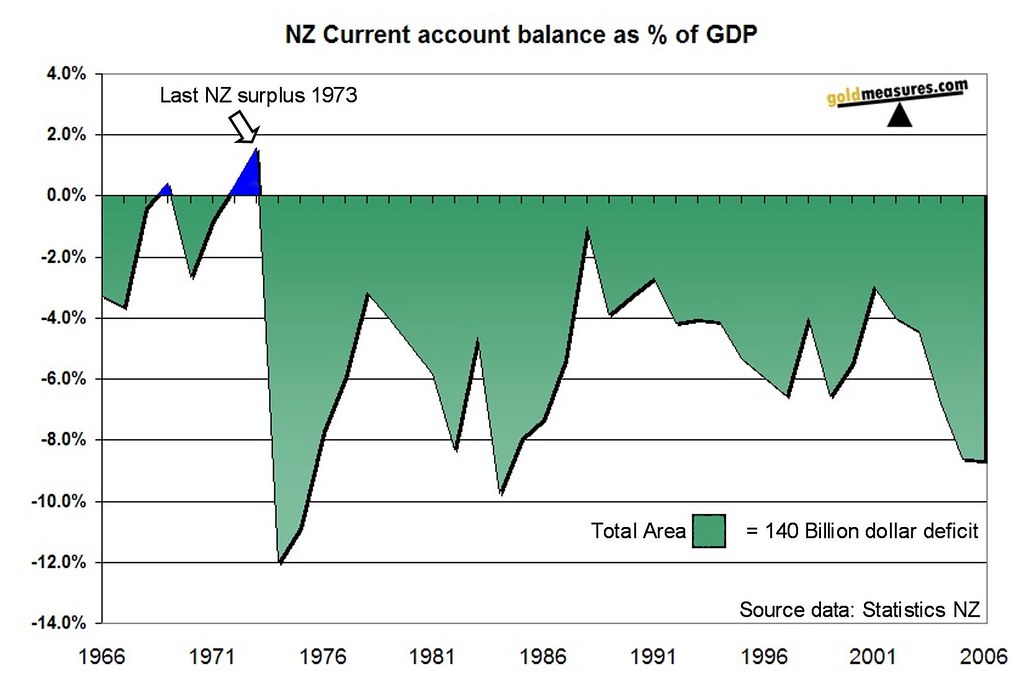
In the New Zealand context of this global recession why do people think a problem 36 years in the making will be over in 1-2 years?

(http://www.goldmeasures.co.nz/2009_07_01_archive.html)